Re-reading Joe Perez’s The Worldview Artist, 2018–2022

Re-reading The Worldview Artist, 2018–2022 Forty-seven posts. Seventy-some thousand words. Thirty-five of them arrived between April and September of 2018, which is what happens when a man who has been thinking in private for years is finally handed a door and told to open it. Then quiet, broken by seven posts around the 2020 election, … Read more

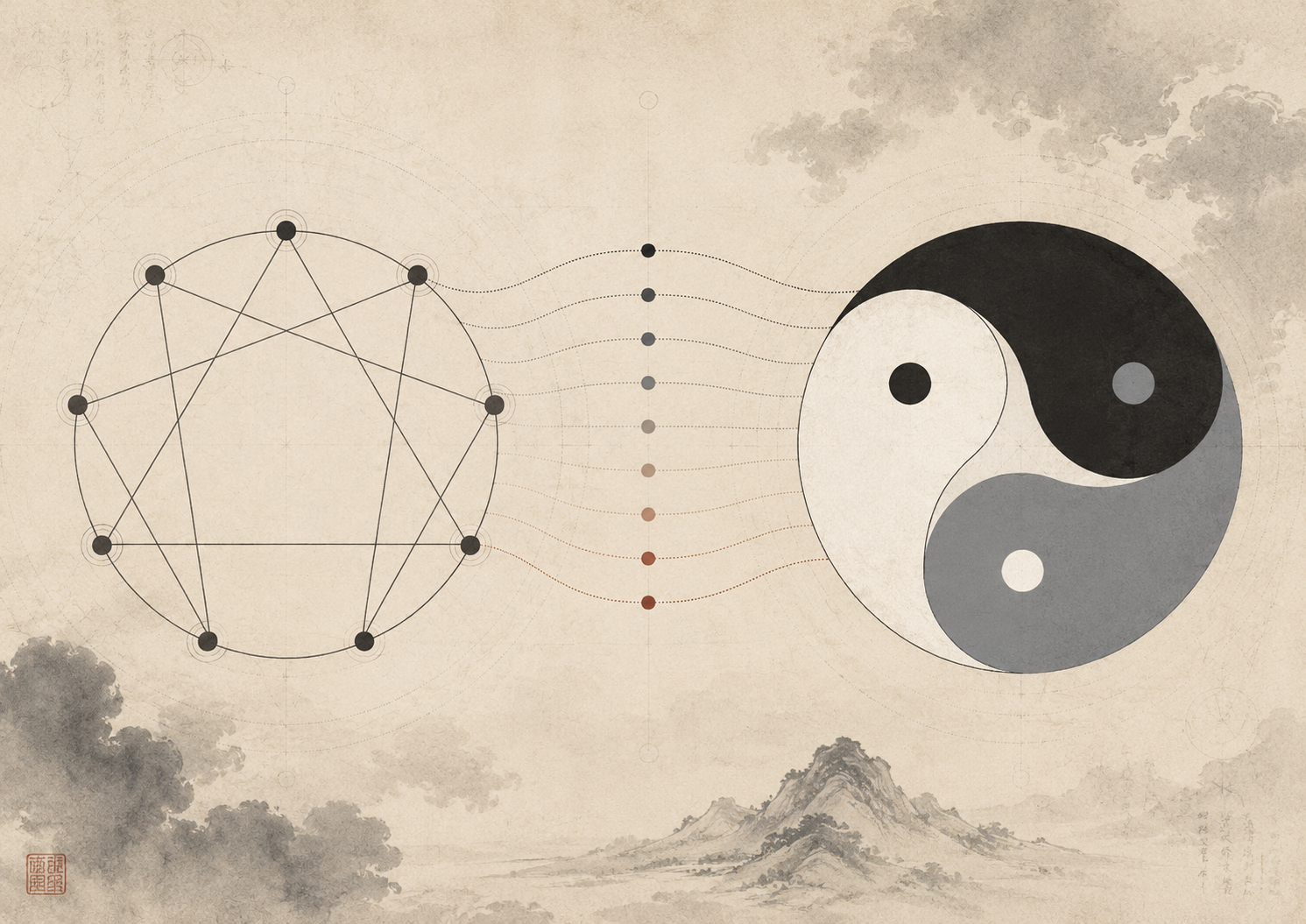
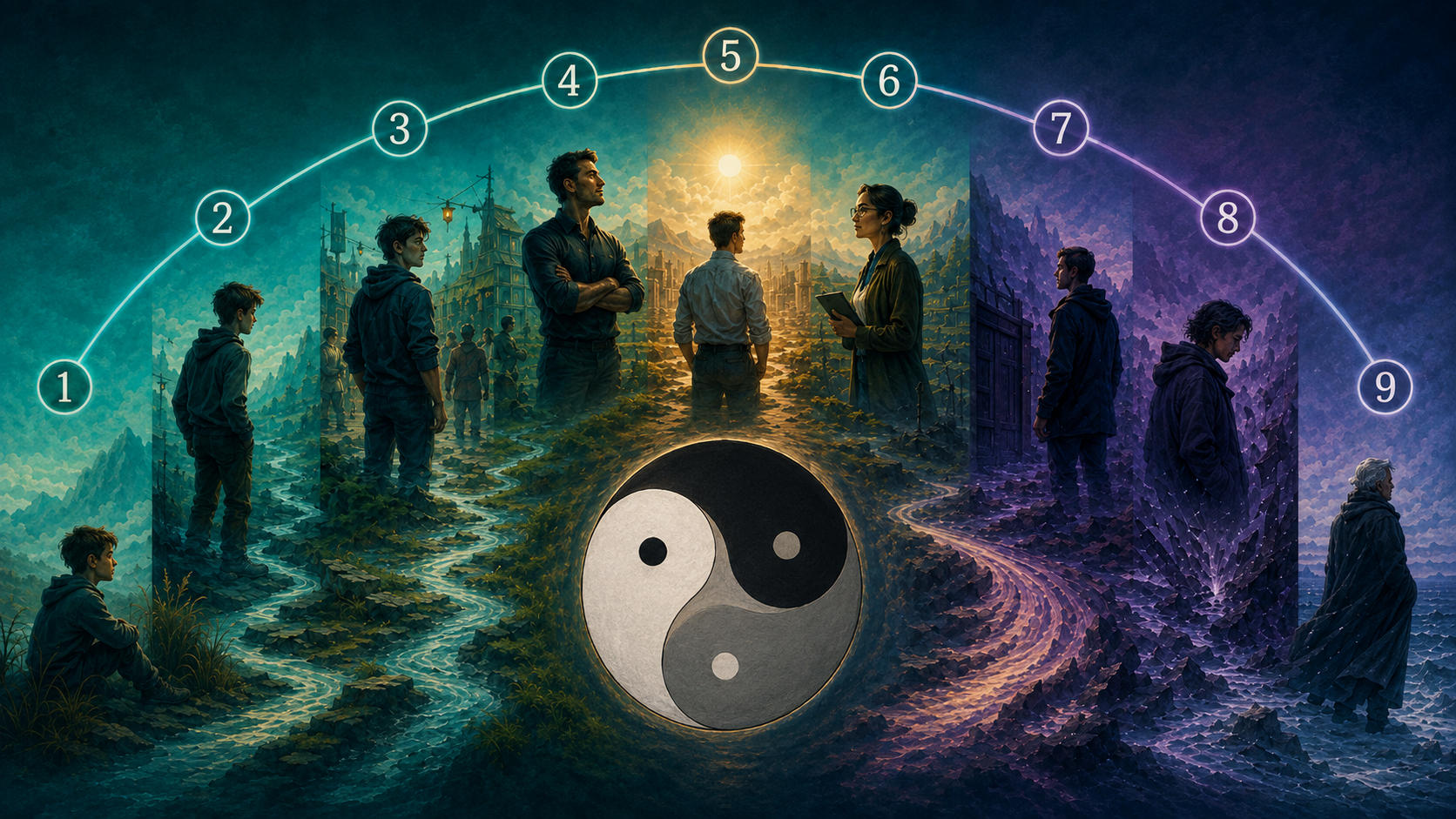
Yang Xiong’s Taixuanjing and Cook-Greuter’s “Nine Levels”: An Uncanny Resemblance

August 2026 — Joe Perez Two nine-fold schemes for the human interior, separated by two thousand years and every conceivable difference of method and intent, agree far more often than they have any business agreeing. And the place where you would most expect them to part company — the one objection that ought to end … Read more

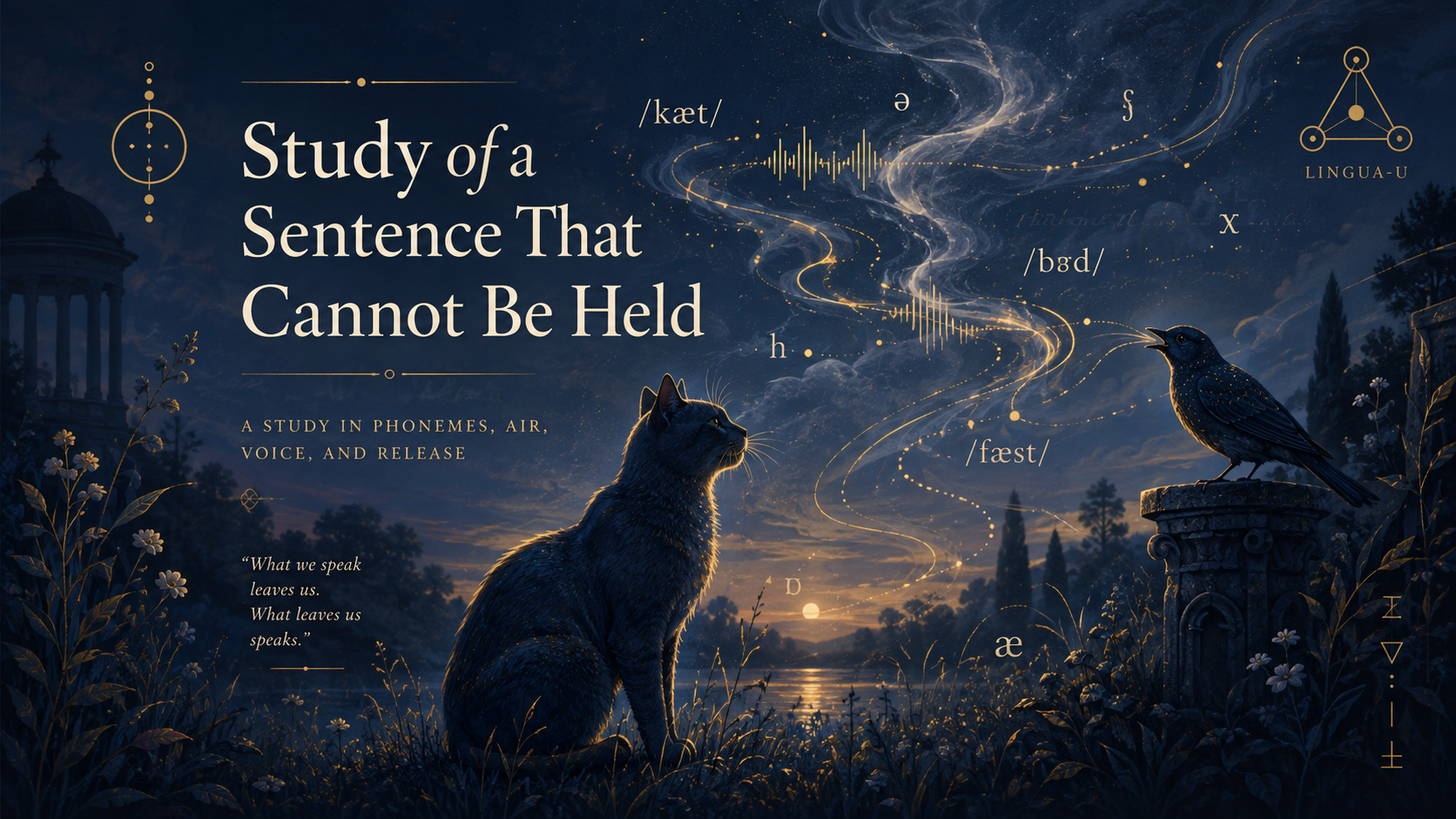
The North Wind and the Sun in Lingua-U

An experimental transcription — working note, not part of the whitepaper The passage below is the standard specimen text of the International Phonetic Association, chosen because it is the most widely transcribed paragraph in phonetics and so invites comparison with existing IPA renderings. Method and conventions Every glyph here was generated arithmetically from the tables … Read more

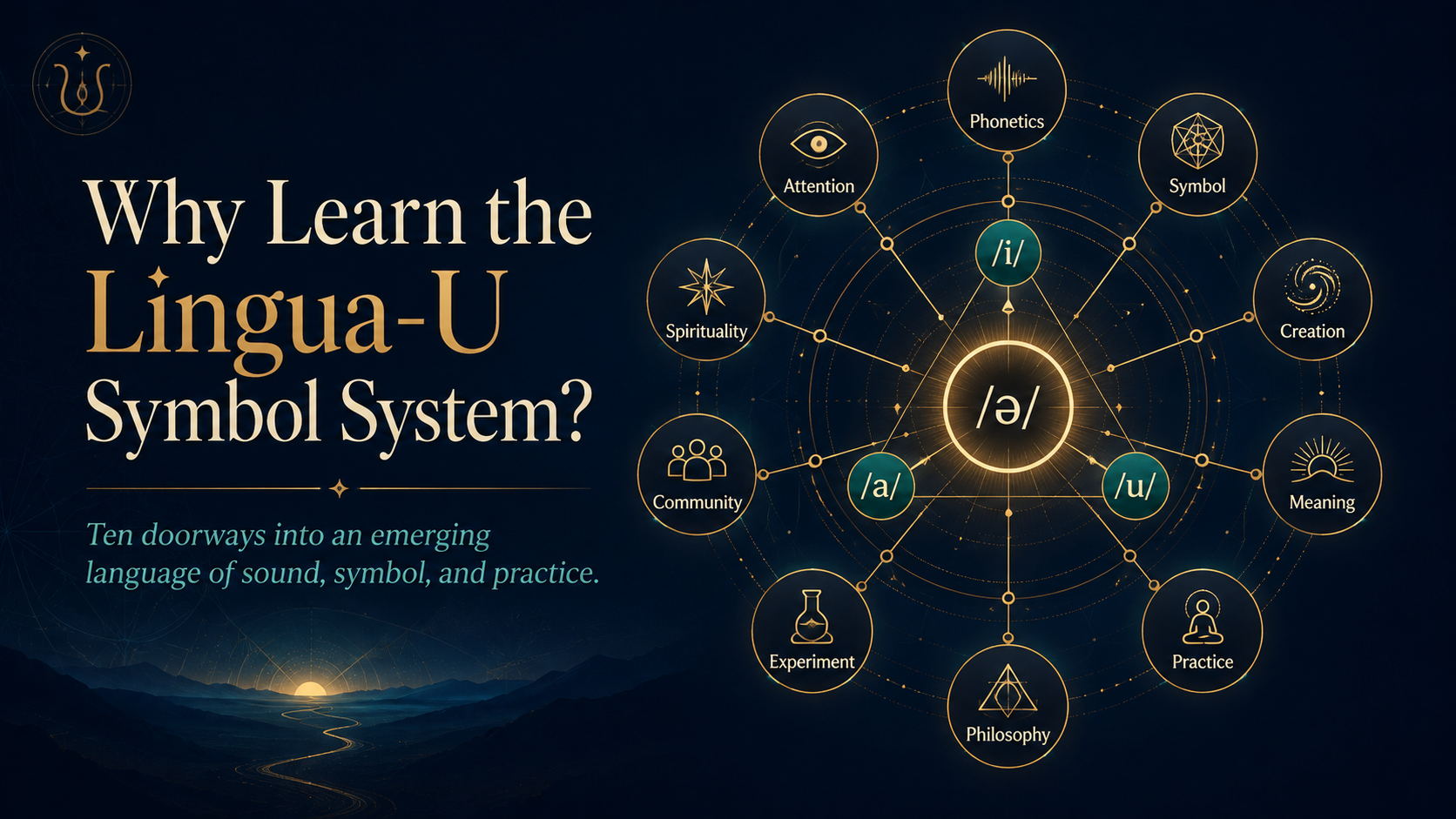
Why Learn the Lingua-U Symbol System?

Lingua-U is still young. It is not yet a full-fledged constructed language. It does not have the vocabulary and grammar of Esperanto, Lojban, or Klingon. It is not a mature philosophical system, and it certainly does not arrive with the centuries of practice, commentary, and community that surround established spiritual traditions. What Lingua-U does offer … Read more

Before the Sacred Word Is Chosen

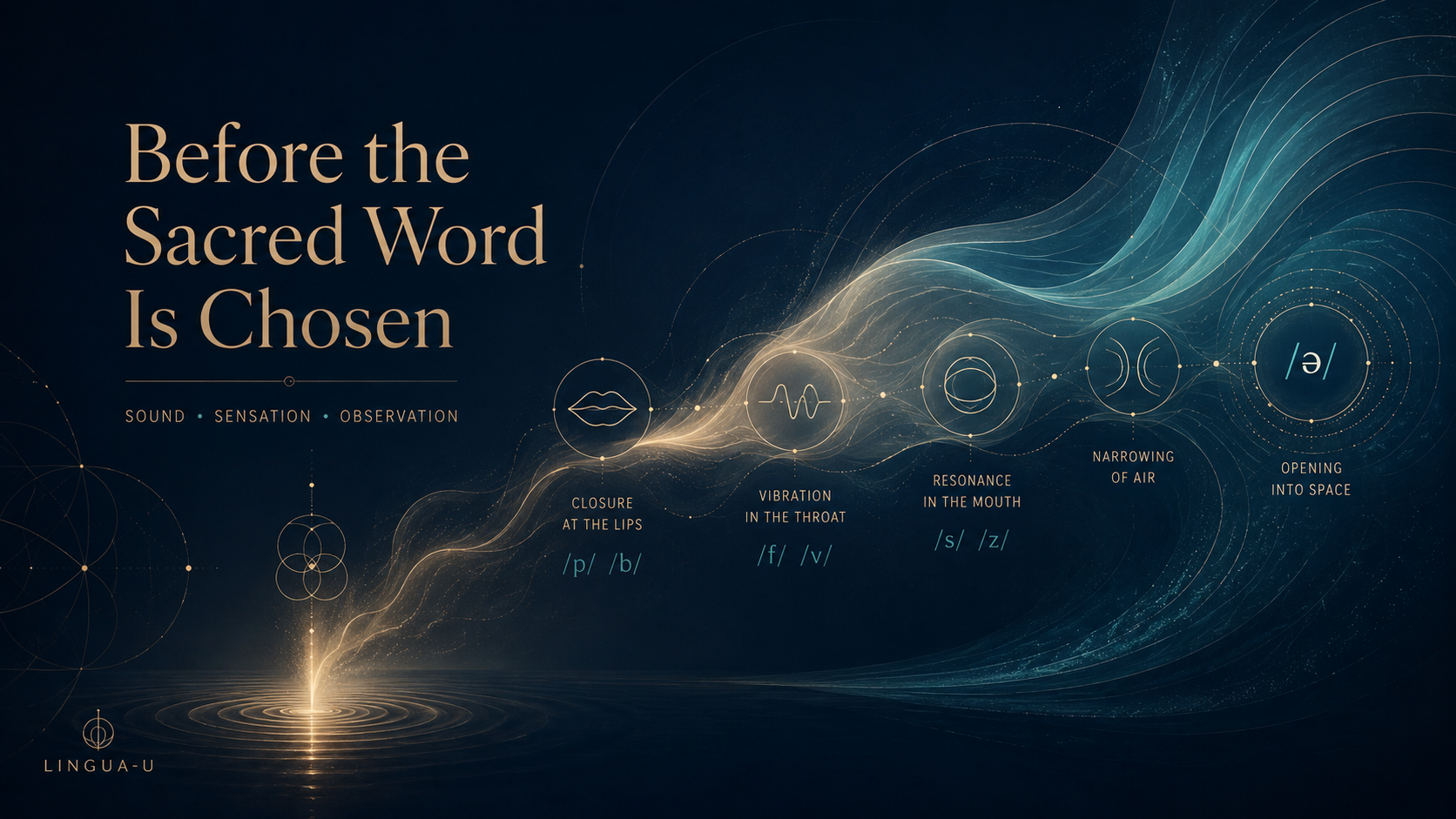
Sacred words are usually inherited. Someone hands you the syllable, tells you where it comes from, explains what it means, and lets you know what generations of practitioners have found in it. You arrive late to something already furnished. There is nothing wrong with that. It is how most living traditions work, and the furniture … Read more

Introducing Lingua-U: An Experiment in Sacred Sound

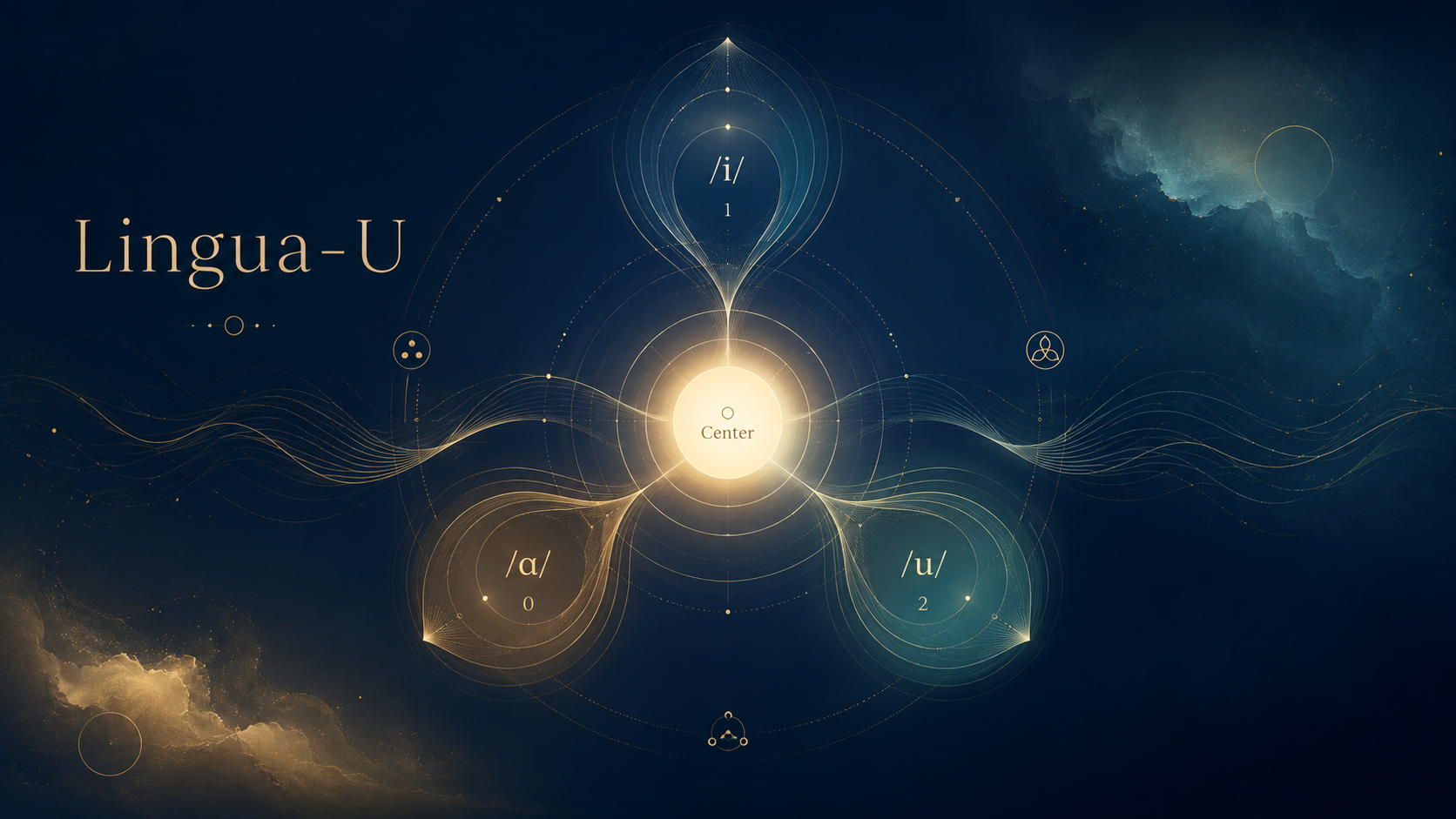
What might a sacred language of sound look like if we were designing one today? Many spiritual traditions have treated speech as more than a vehicle for ordinary meaning. Mantra, sacred names, mystical alphabets, prayer, chant, and other forms of vocal practice all begin from the intuition that sound can participate in spiritual life—not merely … Read more